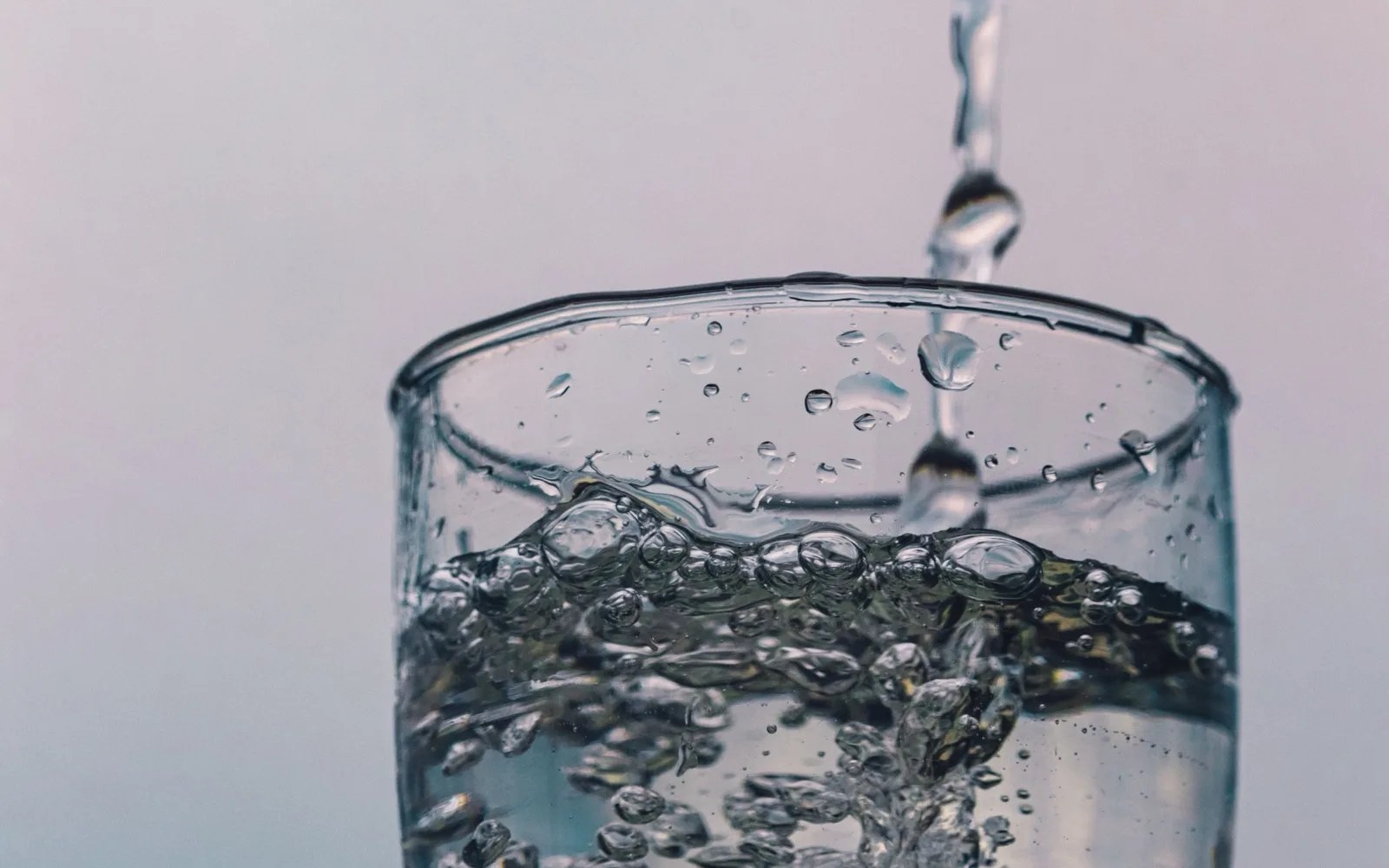
A recipe asks for soda water, but the store gives you club soda, seltzer, sparkling mineral water, flavored sparkling water, and perhaps a product called soda water that is not carbonated at all.
For a Highball, spritz, fizz, or sparkling mocktail, the front label is less useful than the ingredient list. Look for carbonated water with no sugar and no flavoring. Water plus carbon dioxide works. A product with a small amount of sodium bicarbonate or mineral salts works too. In most mixed drinks, that mineral difference matters less than temperature and lost carbonation.
First, make sure it actually has bubbles
The name soda water does not guarantee carbonation in every market. Sparkling water usually contains carbon dioxide, but it may also be sold as mineral, natural, flavored, or zero sugar. Those words describe different parts of the product and do not finish the buying decision for you.
Look for carbon dioxide, carbonated water, or a clear carbonation statement. If the recipe needs fizz, a still alkaline water will not do the same job.
Then check for sugar and flavor. A neutral mixer does not need sugar, syrup, sweetener, juice, or added aroma. Zero sugar only tells you that sugar is absent. It does not promise that the water tastes plain.
Bicarbonate makes a smaller difference
Some classic soda or club soda products add sodium bicarbonate and other mineral salts to carbonated water. Fever-Tree, for example, lists carbonated spring water, bicarbonate of soda, and a little sea salt. That can give the water a drier, slightly more mineral finish.
Sparkling water covers a wider range. PERRIER is carbonated mineral water, so the source water already brings minerals. A home carbonator forces carbon dioxide into ordinary water and may add no minerals at all.
You may notice those differences when drinking the waters side by side. In a drink containing whisky, citrus, tea, or coffee, they often move into the background. Plain sparkling water can replace soda water. Unsweetened soda water with added minerals can also stand in for sparkling water.
Two bottles send the drink in another direction
Tonic water is clear and carbonated, but quinine makes it bitter and sugar or sweetener usually makes it sweet. A Gin and Tonic depends on that profile. A Whisky Highball or plain Soda Highball does not.
Flavored sparkling water is easier to miss. It may say zero sugar while still containing aroma, fruit, or sweetener. It can be enjoyable on its own and useful in a new recipe. It will not reproduce a drink written for neutral soda water.
A Highball cares more about freshness and cold
Given two acceptable bottles, choose the colder, fresher, smaller one. Carbon dioxide leaves the water as the bottle warms and sits open. A large bottle used over several days rarely pours like it did at first opening.
Small cans or glass bottles suit occasional home mixing. Chill them before opening, pour gently down the side of the glass, and stir as little as the drink requires. Those choices usually affect a Highball more than a subtle mineral difference between soda and sparkling water.
At the shelf, read in this order. Confirm carbonation, rule out sugar and flavoring, then consider bicarbonate and mineral salts. The name can stay on the front of the bottle. The information that decides whether it belongs in the drink is usually on the back.
FAQ
Is soda water always carbonated?
Not in every market. Chinese shelves, for example, include both carbonated and still products sold as soda water. Check for carbon dioxide, carbonation, or a carbonated-water ingredient.
Can sparkling water replace soda water in a Highball?
Yes. Use a plain, unsweetened product with strong carbonation, chill it thoroughly, and open it just before mixing.
Is club soda better for cocktails because it contains bicarbonate?
It can add a slightly more mineral taste, but there is no need to chase that ingredient for most home drinks. Fresh, cold, strongly carbonated water matters more.
Can tonic water replace soda water?
Not as a neutral substitute. Tonic water contains quinine and usually sugar or sweetener, adding both bitterness and sweetness.
Sources
- China National Standard GB/T 10792-2008 Carbonated Beverages
Current standard status and the 2026 review result
- Nanyang Government Consumer Note on Soda and Sparkling Water
Overlapping domestic names, carbonated and still forms, and label-reading guidance
- Fever-Tree Premium Soda Water
A soda-water product with sodium bicarbonate and sea salt
- PERRIER Carbonated Mineral Water
A carbonated mineral-water product example
- SodaStream How It Works
A product explanation for adding carbon dioxide to ordinary water